How Long Does Compote Last in the Fridge?
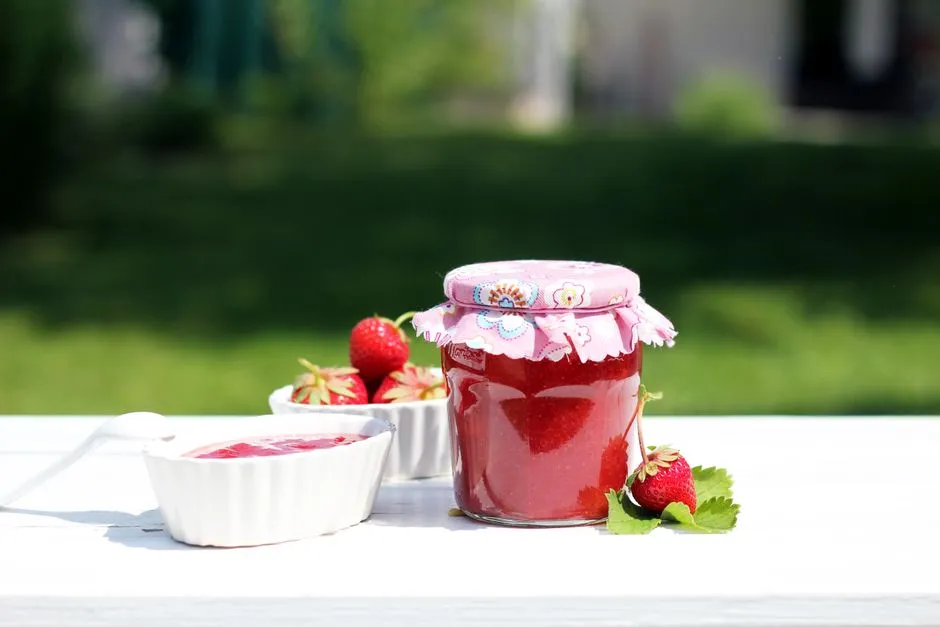
- How long should homemade compote stay in the fridge?
- Which kind of fruit preparation are you storing?
- What does the 3-to-4-day window actually mean?
- How should a fresh batch be cooled?
- What should the label record?
- How can you freeze portions that will actually be used?
- What changes after freezing and thawing?
- Can smell, mould or reheating decide whether it is safe?
- How should you serve the batch?
- Sources
How long should homemade compote stay in the fridge?
For ordinary homemade cooked-fruit compote, use the USDA's general leftover window of 3 to 4 days as a conservative household rule, not a compote-specific shelf-life test. Refrigerate promptly in shallow containers at 40°F or below; freeze extra portions early. Follow any shorter recipe limit. Discard a batch with uncertain handling or spoilage, regardless of its age. Extra sugar, lemon juice or a sealed lid does not establish pantry safety.
The useful question is not only “which day?” It is “which preparation, cooled how, kept where, and handled by whom?” A date label becomes meaningful when those other details are known.
Our strawberry compote recipe supplies the cooking method. This guide deals with the finished batch: deciding what to keep, what to freeze and when the available information is insufficient.
Which kind of fruit preparation are you storing?
Do not transfer a storage period simply because two foods share a jar.
| Preparation | Where its storage instructions come from |
|---|---|
| Ordinary cooked-fruit sauce or compote | Its recipe plus general cooked-leftover handling; this guide uses the conservative window above |
| A tested refrigerator or freezer jam | The directions for that exact formula and preparation |
| A commercially packaged fruit topping | Its label, including instructions after opening |
| A properly processed home-canned preserve | A complete research-tested canning recipe, followed without substitutions |
| An unidentified jar with no reliable history | The missing information cannot be supplied by its appearance |
The National Center for Home Food Preservation distinguishes refrigerator/freezer jams from home-canned products. It also notes that lower-sugar spreads can have shorter refrigerated lives than traditional full-sugar versions.
That does not supply a formula for adding days to compote. Changing fruit, sugar or acid changes the preparation; a sweeter taste is not a preservation measurement. For questions about a specific preserve, consult the recipe's publishing extension service.
What does the 3-to-4-day window actually mean?
USDA's leftover guidance gives 3 to 4 days under refrigeration. Applying that general guidance here is an editorial household precaution. It is not evidence that every fruit mixture has been tested for exactly that duration.
Count from cooking, not from opening the container for breakfast. Do not write a new cooking date after stirring, transferring or adding fresh sauce.
A practical planning choice is to schedule use earlier in the window and freeze any surplus promptly. That creates room for ordinary changes of plan without treating the final day as a target you must reach. Earlier use does not compensate for poor cooling or storage.
How should a fresh batch be cooled?
FoodSafety.gov directs cooks to refrigerate perishable food within 2 hours, or within 1 hour when exposed to temperatures above 90°F. It recommends shallow containers for rapid cooling. These are upper limits, not suggested countertop waiting times.
Divide the finished sauce into clean, shallow, heat-safe containers and refrigerate promptly. Use containers suitable for the food's temperature; keep hands clear of hot syrup and steam. Do not leave a deep saucepan out until the centre feels cool.
Use an appliance thermometer rather than assuming a dial number is a temperature. Keep ready-to-eat compote protected from raw-food drips, and wash utensils and surfaces after use. The food-safety steps apply even when the batch contains no meat.
What should the label record?
Use separate fields for actions that occurred and actions merely planned. Here is an original example, not a record of a real batch:
| Field | Example entry |
|---|---|
| Contents | Cooked strawberry compote; recipe name recorded separately |
| Cooked | Tuesday, 8 September, 18:00 |
| Refrigerated | Tuesday, 8 September, 18:25 |
| Planned use | Thursday breakfast |
| Surplus plan | Freeze a separate portion after chilling on Tuesday |
| Actual frozen time | Enter only when freezing occurs |
The example's cooling interval is 25 minutes. It illustrates a record, not a universal cooling duration. A container's size and the actual conditions still matter.
Keep the cooking date visible when adding a freezing date. Write ingredients as well as the fruit name when someone else will use the container. “Strawberry” does not tell another cook whether the batch also contains a different fruit or an added ingredient.
How can you freeze portions that will actually be used?
The NCHFP packaging guidance recommends cooling food before freezer packaging, packing meal-sized quantities and labelling contents, additions, amount and date. Most foods need expansion space.
Chill the compote promptly first. Select packaging explicitly suitable for freezing and leave the headspace required for that container and food. NCHFP's container guidance warns that ordinary glass jars can break in a freezer; do not assume any reused jar is suitable.
For an original portion-planning example, suppose you have measured 360 mL of chilled compote. Four portions of 90 mL use the entire amount: 4 × 90 = 360. Two planned breakfasts using 45 mL each would use one portion: 2 × 45 = 90.
Those are selected serving amounts, not a recipe yield, dietary recommendation or container capacity. A 90 mL portion needs a container with room beyond the food itself.
What changes after freezing and thawing?
USDA's freezing guidance explains that freezing does not sterilize food and that microbes can become active again after thawing. Freeze sound, safely handled food early; freezing is not a way to rescue an overdue or mishandled batch.
Keep the freezer at 0°F or below. Freezer storage times concern quality when food remains continuously frozen. Our practical quality target is about three months, consistent with the existing compote recipe; it is not a laboratory-tested expiry date.
Thaw a portion in the refrigerator, not on the counter. USDA's leftover guidance allows 3 to 4 days after refrigerator thawing under safe handling. Follow a shorter recipe direction where supplied, and do not interpret thawing as a remedy for unsafe history.
Can smell, mould or reheating decide whether it is safe?
The FDA's refrigerator guidance explains that unsafe food can look, smell and taste normal. Do not taste an uncertain batch to test it.
Discard the whole container if mould or other spoilage appears; NCHFP advises against retaining the rest of a spoiled spread. An off or fermented smell is a reason to discard, not to cook it into another dish.
Reheating does not repair uncertain storage. FDA notes that some toxins can survive cooking. If the cooking date or temperature history cannot be established, discard the compote.
How should you serve the batch?
Take out only the portion needed, using a clean utensil, and return the main container promptly to the refrigerator. Keep the cooking label attached rather than moving an anonymous serving bowl back into storage.
For more meal ideas, browse seasonal meals; for storage methods, see small-batch preserving. Plan the next use when making the sauce. A small, dated freezer portion is easier to account for than an unlabelled jar.